
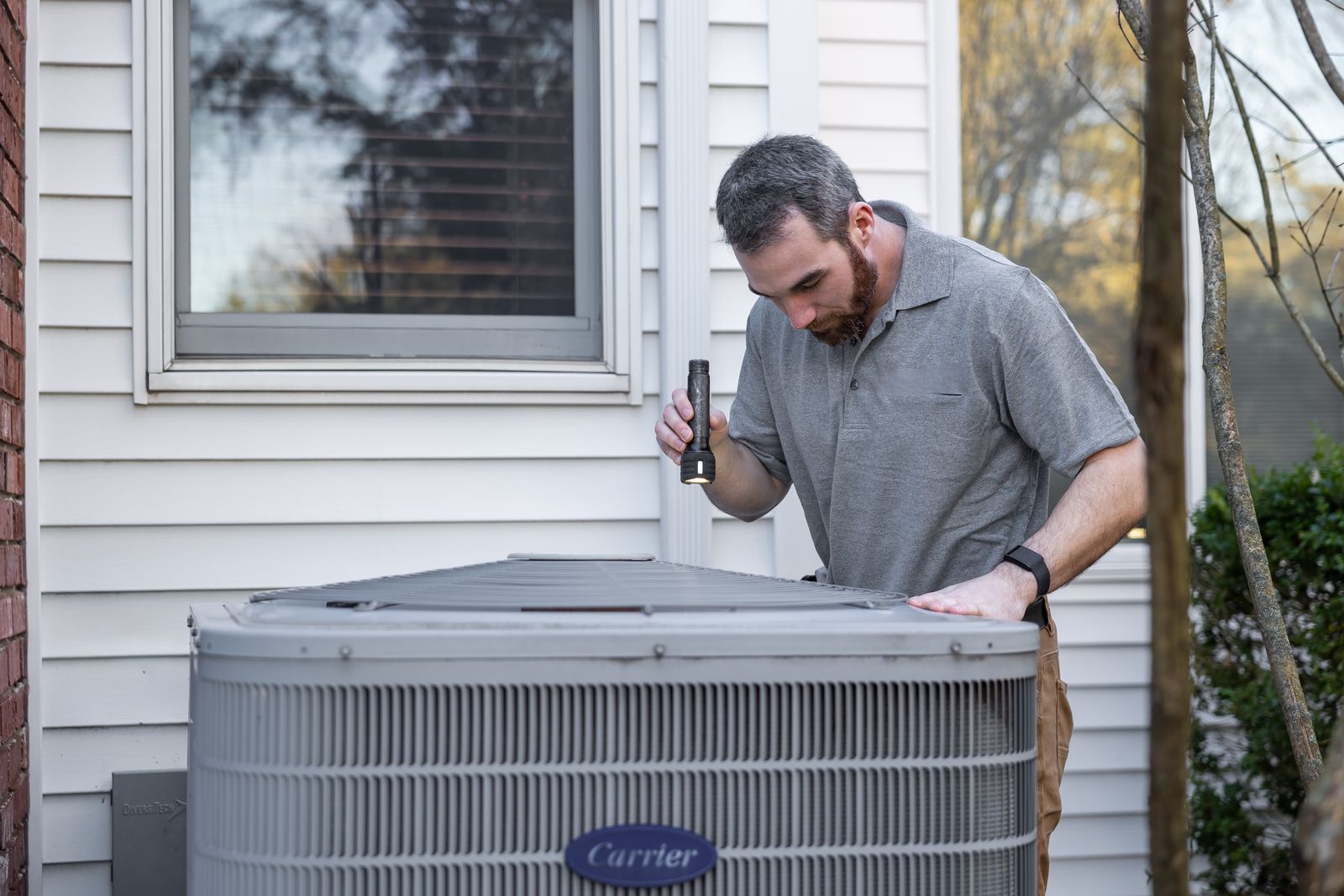
When you install a new AC system in Melbourne, FL, the size of the unit matters as much as the brand. A system that is too big or too small can run poorly, wear out early, and leave your home humid. Ask how the size was chosen before you agree to any installation.
Why Size Matters in Melbourne Homes
Melbourne has long, hot, humid summers. Your AC does more than cool the air. It also pulls moisture out of the house. That job depends on how the system runs, and how it runs depends on the size of the unit.
A system that is sized right runs in longer cycles. Longer cycles give the coil time to remove humidity. A system that is too large turns on and off quickly. It cools the air fast but does not dry it well, so the house can feel clammy even when the thermostat says it is cool.
The Problem With Oversized Systems
Many people think a bigger unit means better cooling. In practice, an oversized system causes trouble. Here is what homeowners often notice:
- Short run times that never fully dry the air inside the home.
- Temperature swings from room to room.
- Higher wear on the compressor from frequent starts and stops.
- Higher energy use during peak hours.
- A damp, musty smell in closets, bathrooms, and bedrooms.
Oversizing is common when an installer guesses the size instead of measuring the home. A bigger unit may seem safer, but it often creates more problems than it solves.
The Problem With Undersized Systems
An undersized system has the opposite issue. It runs nearly all day on hot afternoons and still cannot keep up. Rooms far from the thermostat stay warm. The system works hard for years, and the parts that take the most strain can fail sooner.
Undersizing often happens when the home has been upgraded over time. A new addition, added windows, or a sunroom can increase the cooling load. If the system was never updated to match, it will struggle, especially during a Florida summer.
What a Proper Load Calculation Looks At
The right size comes from a load calculation. This is a careful look at how much heat your home gains and how much cooling it needs. It is not a rule of thumb based only on square footage. A good installer considers several factors:
- The size and layout of the home, including ceiling height.
- Window size, window direction, and window quality.
- Insulation levels in the attic, walls, and floors.
- The number of people who live in the home and how they use each room.
- Appliances and heat sources, such as ovens and electronics.
- Local weather patterns, including humidity and afternoon heat.
Ask your installer to walk you through the numbers. If they cannot explain how they chose the size, that is a warning sign.
Humidity Control Matters Too
In Melbourne, humidity is often the bigger problem. A system that is sized and run correctly removes moisture as it cools. That keeps the air comfortable and helps protect furniture, flooring, and paint. It also reduces the chance of mold in hidden spaces.
Ask how the new system will handle humidity during mild, rainy weeks in spring and fall. Some homes benefit from extra dehumidification or a control that runs the fan at a lower speed. Your installer can tell you if those options fit your home.
Check the Ductwork Before You Buy
Even a perfectly sized unit will underperform if the ducts are poorly designed. Leaky, crushed, or undersized ducts can waste cool air in the attic or crawl space. They can also make some rooms too cold and others too warm.
Before installation, ask for a look at the ducts. Check for gaps at joints, damaged insulation, and vents that are blocked or closed. Sometimes the best upgrade is not a bigger unit but better ducts that move air where it is needed.
Questions to Ask Your Installer
Use these questions to compare companies:
- How did you choose the size of this system?
- Did you do a load calculation, and can I see the results?
- How will the system handle humidity on mild, damp days?
- Do my ducts need repair or sealing before the new unit goes in?
- What type of system fits my home best, such as a standard split system or a ductless mini-split?
- Who will service the system after installation, and how do I book a tune-up?
A clear answer to each question shows that the company is planning around your home, not just selling equipment.
Planning Your Installation in Melbourne
Plan the timing of your installation carefully. Replacing an AC during a heat wave can mean longer waits and less choice. A spring or early fall project often gives you more time to compare options. It also gives you time to fix duct problems and upgrade insulation first.
Think about the rooms you use most. Bedrooms, home offices, and living areas often need the most attention. Tell your installer which rooms feel too hot or too cold today. That information helps them plan the layout and the airflow.
If you live outside Melbourne, you can still get help. Learn more about our AC installation services, or see the areas we cover in Melbourne.
Get Help Choosing the Right Size
If you are planning a new AC installation, the right size is the first step. Call CoolWave at 888-922-8966 to talk through your home, your comfort concerns, and your options. We can help you understand what your home needs before you commit to a system.
Frequently Asked Questions
Is a bigger AC unit always better?
No. A unit that is too big cools too fast, shuts off before it removes enough humidity, and can wear out sooner. The right size depends on a load calculation for your home.
What is a load calculation?
A load calculation estimates how much heat your home gains and how much cooling it needs. It looks at the layout, windows, insulation, occupants, and local weather, not just square footage.
Why does humidity matter in Melbourne?
Long, humid summers and damp spring and fall weeks make moisture a real problem. A correctly sized system runs long enough to pull humidity out of the air as it cools.
Should I fix my ducts before installing a new AC?
Often, yes. Leaky or poorly designed ducts waste cool air and make some rooms too warm. Ask your installer to check the ducts before the new unit goes in.