
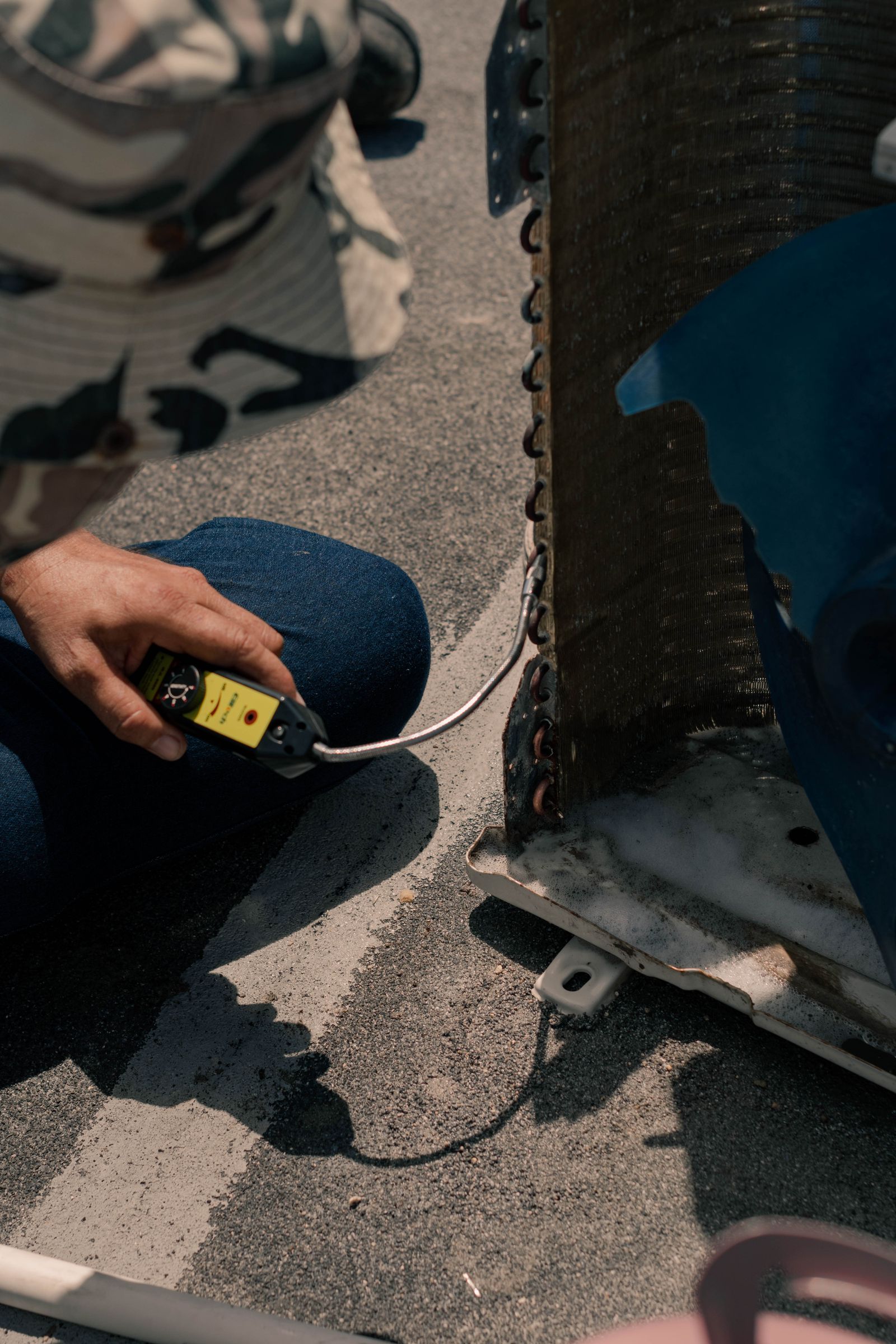
A Sebastian home that feels sticky, even with the AC running, usually points to airflow or coil trouble. Humidity and weak airflow often show up together. Some causes are simple to check, while others need a technician.
Why humid air can feel worse than hot air
Your AC does two jobs. It cools the air, and it pulls moisture out of it. When the system works well, the inside of your home feels dry and comfortable. When it struggles, the air can feel heavy and damp, even when the thermostat is close to your setting.
Florida humidity makes this more noticeable. Warm, wet air is hard to cool when the system does not move enough air across the coil. That is why sticky rooms often point back to airflow or coil problems.
Check the air filter first
A dirty filter is one of the most common reasons for weak airflow. When the filter clogs, less air passes through the system. The coil gets less air to work with, and the house gets less cool air in return.
Check your filter once a month. Hold it up to a light. If you cannot see light through it, it is time for a new one. Use the size printed on the frame. A thicker filter can restrict airflow more than your system expects, so ask a technician before you switch types.
Look at the vents and returns
Walk through the house and feel the air at each supply vent. Weak airflow in one room but not others can point to closed or blocked vents, furniture pressed against a return, or a duct problem. Keep rugs, drapes and furniture away from vents. Make sure the return grille is not covered.
Closing vents to save air in unused rooms can also cause trouble. It changes the pressure inside the system and can reduce airflow where you need it most. Keep most vents open unless a technician advises otherwise.
Check the outdoor unit
The outdoor condenser needs clear space to breathe. Leaves, grass clippings and yard debris can block airflow around it. Look at the unit from a few steps back. Trim plants so there is open space on every side. If the fins look dirty, rinse them gently with a garden hose after you turn the power off at the disconnect.
Do not spray the unit with high pressure. Water can bend the fins and damage the wiring. Keep the work simple and safe, and leave anything beyond that to a professional.
Watch for a frozen coil
A frozen indoor coil is a serious sign. It can make the air feel humid, weak and cold at the same time. You may see ice on the copper lines or on the indoor unit. Water may pool near the air handler or drip inside your home.
If you see ice, turn the system off and let it thaw on its own. Check the filter before you restart. Then call for service. Running a frozen system can cause more damage, so do not push it to keep cooling.
Look at the condensate drain
The drain line carries water away from the indoor coil. If it clogs, water can back up. Some systems also shut down when the drain backs up. Look for water near the indoor unit or a musty smell near the air handler. A technician can clear the line and check the drain pan.
Ductwork problems can hide out of sight
Ducts in attics and crawl spaces can leak air when seams open or insulation shifts. Leaks can send cool air into spaces you rarely use. They can also pull hot, humid air into the system. Rooms that never seem to cool are often a sign of a duct issue. Only a technician can test the ducts and find the leak.
Signs it is time to call a pro
Some problems are safe to check at home. Others need training and tools. Call a technician if:
- The house stays humid even after you check the filter and vents.
- You see ice on the lines, the indoor coil or the air handler.
- The system runs, but rooms do not cool.
- The air smells burnt or the unit makes unusual noises.
- Water is leaking from the indoor unit.
Check the thermostat settings
Thermostat settings are easy to overlook. Make sure the system is set to cool, and that the fan is set to auto rather than on all the time. A fan that runs nonstop can blow moisture back into the air between cycles. Set the temperature to a level you can reach comfortably, rather than dropping it far below your target. Then give the system time to catch up before you judge the results.
Why regular service helps
A routine tune-up can catch airflow and coil problems early. A technician can check the system, clean the coil, test airflow and look at the drain. Regular service is one of the easiest ways to avoid a summer breakdown. Plan a visit before the hottest months arrive.
Our AC repair service covers weak cooling and airflow problems in homes and businesses. Sebastian homeowners can also learn more on our Sebastian service area page.
Need help with weak cooling or humidity in Sebastian? Call CoolWave at 888-922-8966. We are based in Palm Bay, serve Brevard, Indian River and St. Lucie counties, and offer 24-hour service for residential and commercial customers. Call for an estimate today.
Frequently Asked Questions
Why does my Sebastian home feel humid even when the AC is on?
Common causes include a dirty filter, blocked vents, a dirty coil, a clogged drain or a duct leak. Each one can reduce airflow and make the air feel damp.
Can I check my AC filter myself?
Yes. Hold the filter up to a light once a month. If you cannot see light through it, replace it with the size printed on the frame.
What should I do if I see ice on my AC lines?
Turn the system off and let the ice thaw on its own. Check the filter before you restart, then call a technician for service.
Do you offer 24-hour AC service?
Yes. CoolWave offers 24-hour service for residential and commercial customers in Brevard, Indian River and St. Lucie counties.