
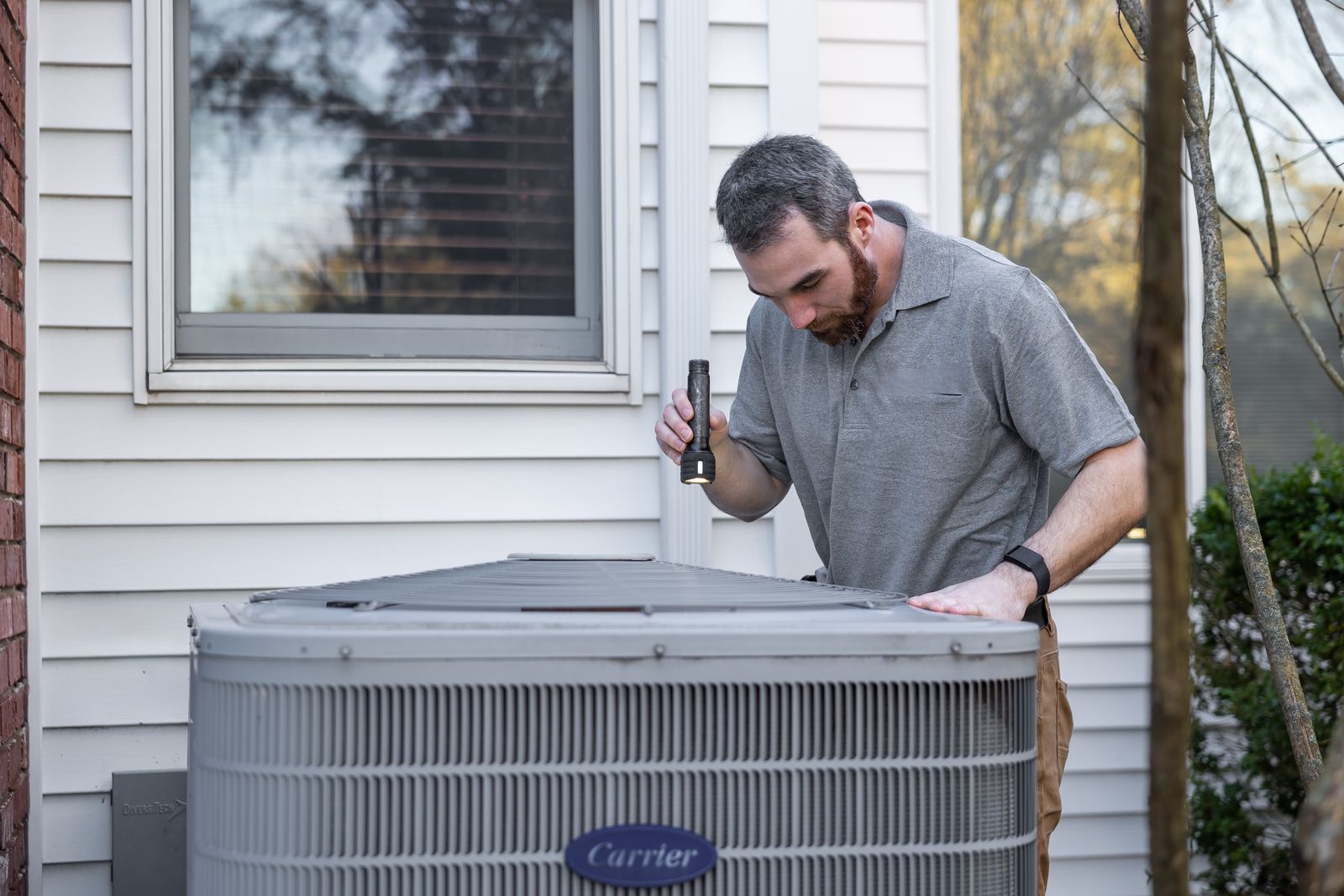
A frozen AC coil means ice is building up on the indoor coil, usually because it has dropped below freezing. Two common causes are restricted airflow and a refrigerant problem. Turn the cooling off, let the ice melt, and call a technician before you run the system again.
What a frozen AC coil looks like
The evaporator coil sits inside your air handler or furnace cabinet. It pulls heat out of the air that blows across it. When the coil gets too cold, moisture in the air turns to frost and then to ice. You may see white or clear buildup on the coil, on the copper lines, or on the refrigerant line near the indoor unit.
Other signs show up inside the house. Airflow from the vents may feel weak. The home may not cool down, even when the system runs for a long time. Some homeowners also notice water dripping or pooling near the indoor unit once the ice starts to melt.
Common causes in Brevard County homes
Florida heat and humidity put a lot of work on an air conditioner. That makes airflow and refrigerant problems more likely. These causes usually lead to a frozen coil:
- Dirty air filter. A clogged filter blocks warm air from reaching the coil. The coil gets colder than it should, and ice forms.
- Closed or blocked vents. Closing many vents or placing furniture in front of them reduces airflow over the coil.
- Dirty coil or blower. Dust and debris can coat the coil and the blower wheel, which slows the air moving across the coil.
- Low refrigerant. A leak or low charge can make the coil run too cold. This is not a do-it-yourself fix.
- Fan problems. A blower motor that runs slowly or stops can let the coil freeze.
Thaw the coil safely
If you find ice, you can take a few steps right away. Start by turning the cooling off at the thermostat. Set the fan to on, so the blower keeps air moving over the coil and speeds up the thaw. Do not chip at the ice with a knife, screwdriver, or other sharp tool. You can damage the coil or the lines.
Plan on several hours for a full thaw. The time depends on how much ice has built up and how warm the house is. Once the ice is gone, check the air filter and the vents. Replace the filter if it looks dirty. Open all the supply vents and clear any blocked return grilles.
Do not run the system again until the coil is fully clear. Running a frozen system can strain the equipment and create more ice. If the coil freezes again soon after you restart, stop and call for service.
What you can check yourself
Some checks are simple and safe for most homeowners. Look at the filter, the vents, and the outdoor unit. Make sure the outdoor condenser is clear of leaves, grass clippings, and debris. Confirm that the indoor unit access panel is closed tightly. Write down when the freezing started and what you noticed, so the technician has useful details.
Anything inside the sealed refrigerant circuit, the electrical parts, or the blower assembly should be left to a professional. Those parts can carry dangerous voltage or pressure.
When to call a technician
Call for service if the coil freezes again after a filter change and a thaw. Call if you hear hissing, see oil stains on the lines, or notice the air is not cooling. Call if the system runs but the house stays warm. A technician can measure airflow, check the refrigerant charge, and test the blower and controls. Those steps need the right tools. Our AC repair service handles these problems for homes and businesses.
How a professional fixes the root cause
Thawing the coil only fixes the symptom. A technician looks for the reason the coil got too cold. That may mean cleaning the coil and blower, repairing a leak, correcting the refrigerant level, or replacing a failed fan motor. The right repair depends on what they find. Ask for a clear explanation of the problem and your options before any work begins.
Regular maintenance helps catch these issues early. A tune-up checks airflow, cleans key parts, and tests the system before the hottest months. You can learn more about our AC maintenance and tune-ups to keep your system running well.
Frozen coils in Palm Bay, Melbourne, and nearby towns
Homes across Brevard, Indian River, and St. Lucie counties deal with the same heat and humidity. Whether you live in Palm Bay, Melbourne, West Melbourne, Malabar, or Vero Beach, the causes are much the same. Coastal air can also carry dust and salt into outdoor equipment, which can affect how well the system breathes.
Next steps
If your AC coil is frozen, turn the system off, let it thaw, and check the filter and vents. Then watch how the system runs. If the ice returns, or you suspect a refrigerant problem, call a professional. Quick action can prevent bigger repairs later.
CoolWave Air Conditioning & Refrigeration is based in Palm Bay and serves Brevard, Indian River, and St. Lucie counties. We offer 24-hour service for residential and commercial customers. Call 888-922-8966 today to schedule an estimate.
Frequently Asked Questions
Why is my AC coil frozen?
A frozen coil usually comes from restricted airflow or a refrigerant problem. A dirty filter, closed vents, or a weak blower can all cause it. A technician can find the exact cause.
Can I just run the AC to melt the ice?
No. Running the system while the coil is frozen can strain the equipment and make the problem worse. Turn the cooling off and run only the fan to speed the thaw.
How long does a frozen AC coil take to thaw?
It often takes several hours, depending on how much ice has formed and how warm the home is. Do not speed it up with sharp tools or heat.
When should I call for AC repair?
Call if the coil freezes again after a thaw, if you hear hissing, or if the house does not cool. Those signs point to a problem that needs a technician.