
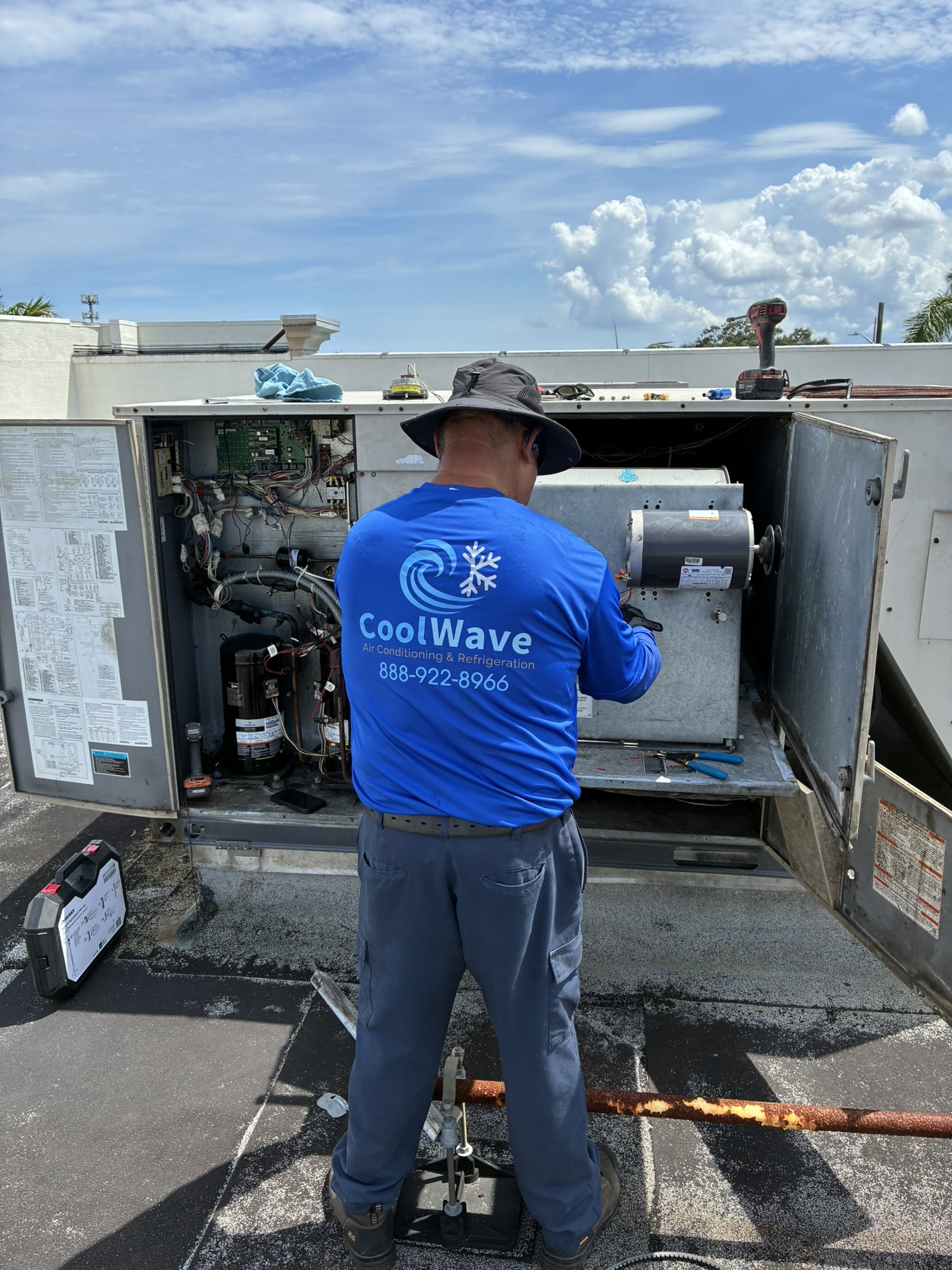
A pool heater needs a checkup before the cooler months arrive, even in Florida. Clean coils, steady water flow, and balanced water help the heater run well when you want it most. A short pre-season check can catch small problems before they turn into a service call on a chilly evening.
Why a Pre-Season Check Matters
Many pool owners only think about their heater when the water feels cold. By then, the heater has already sat through a summer of heavy use, sun, and rain. Dust, leaves, and grass clippings can build up around the equipment. Small wear items can start to fail without any warning.
A simple check before the season gives you time to plan. If a part needs replacing, you can schedule the work on your own timeline instead of waiting for a cold snap.
Start With the Coils and Airflow
If you have a heat pump pool heater, the coil is the first thing to look at. The coil pulls heat from the outside air. When it is clogged with dirt, pollen, or debris, the heater has to work harder to do the same job. Airflow matters just as much. Keep leaves, grass, and mulch away from the unit, and leave open space around it so air can move freely.
Gently rinse the fins with a garden hose on a low setting. Avoid high-pressure sprayers, because they can bend the fins and cause more damage. Never climb on the unit or pull off panels to clean it yourself.
Check the Water Flow
A pool heater depends on good water flow. The pump moves water through the filter and then into the heater. If the filter is dirty, or the pump is running weak, less water reaches the heater. That can cause the heater to shut off or run poorly.
Look at the pressure gauge on your filter. If the pressure is well above its normal reading, it may be time to clean or backwash the filter. Check that all valves are open in the right position. Listen for unusual pump noise, and watch for water leaks around the pump and fittings.
Balance the Water Chemistry
Water chemistry affects more than swimmer comfort. Water that is out of balance can wear on heaters and other pool equipment over time. Test the water regularly, and keep the levels in the range your pool manufacturer and local pool service recommend. Scale can build up on heating surfaces when the water is too hard, and corrosion can become a problem when the water is too acidic.
Good chemistry also keeps the pool clear and safe. Clear water makes it easier to see the pool floor and walls, and it helps the filter do its job.
Use a Pool Cover
A pool cover is one of the simplest ways to hold heat. It cuts down on evaporation and keeps wind from pulling warm water off the surface. A cover can help the heater reach a comfortable temperature faster and use less energy to hold it there. Put the cover on when the pool is not in use, especially overnight on cooler nights.
Set Realistic Temperatures
Many owners set the thermostat very high and expect the heater to hit that number quickly. A better approach is to pick a comfortable temperature and let the heater work at a steady pace. Heat pumps tend to work well in milder weather and need more time to warm the water when the air is cool. Plan ahead for pool use, and turn the heater on a day or two before you plan to swim when you can.
Signs It Is Time to Call a Technician
Some issues need a trained technician. Call for service if the heater makes loud banging, grinding, or rattling noises. Call if it shuts off often, shows an error code you cannot clear, or fails to warm the water after the basic checks. A burning smell, water pooling under the unit, or a breaker that trips repeatedly also needs prompt attention.
Do not try to fix electrical or gas parts yourself. Turn off power to the heater at the breaker, and call a professional for anything beyond basic cleaning and visual checks.
Plan Service Before the Cold Arrives
Scheduling a pre-season service visit is the easiest way to avoid surprises. A technician can check electrical connections, test the controls, inspect the coil, and look for early wear. You get a clear picture of what the heater needs, and you can plan repairs before the busiest weeks of the season.
Service is not only for homes. CoolWave handles residential and commercial heating and cooling work, including pool heaters. If your pool serves a rental, a community, or a business, a planned visit helps keep guests comfortable and reduces downtime.
Service Across Brevard and Beyond
Pool heaters in Palm Bay, Melbourne, West Melbourne, Malabar, and Grant-Valkaria face the same Florida conditions, but each yard has its own shade, wind, and pool setup. Homes in Vero Beach, Sebastian, Port St. Lucie, and Fort Pierce see similar needs. CoolWave serves Brevard, Indian River and St. Lucie counties, so you can reach a local crew for a visit.
Because we offer 24-hour service, you can call when a problem shows up outside normal hours. You can learn more about our pool heater services on our website.
Get Your Pool Heater Ready
A little attention before the season goes a long way. Clean the coil, check the water flow, balance the chemistry, use a cover, and set realistic temperatures. If anything seems off, do not wait for the next cold night to find out.
Ready to schedule a pool heater visit? Call CoolWave at 888-922-8966. Our team is based in Palm Bay, FL, and we can give you a clear picture of what your heater needs. You can also learn about our service area on our Palm Bay page.
Frequently Asked Questions
How do I know if my pool heater needs service?
Call a technician if the heater makes loud noises, shuts off often, shows an error code, or does not warm the water after basic checks. Burning smells, leaks, or a tripping breaker also need prompt attention.
Can I clean the heater coil myself?
You can gently rinse the coil with a garden hose on a low setting. Avoid high-pressure sprayers, and never open panels or work on electrical or gas parts yourself.
Does water chemistry affect a pool heater?
Yes. Water that is out of balance can cause scale or corrosion on heating surfaces over time. Test your water regularly and keep it in the range your pool service recommends.