
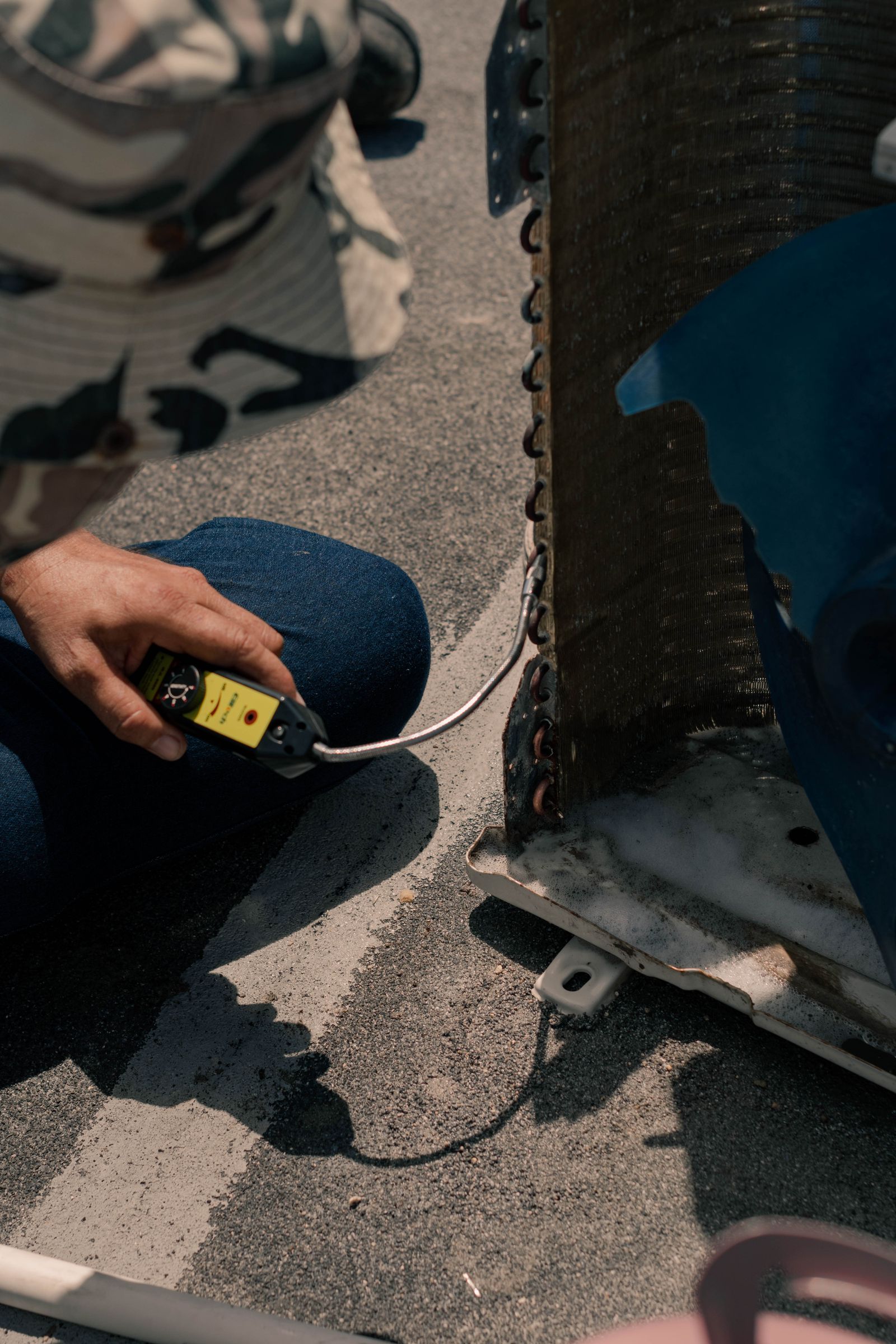
Restaurant refrigeration keeps food safe, and a failure can spoil stock in a matter of hours. In Vero Beach, coastal heat and humidity put extra strain on walk-in coolers, reach-ins and prep units. Simple habits and early service calls help keep cold equipment running when you need it most.
Why Vero Beach Kitchens Work Harder
Salt air, humid days and long summers all make refrigeration work harder. Warm outdoor air raises the load on condenser coils. Doors that open often let in more heat. Equipment in a hot back room may struggle even when the cooler looks normal from the front.
Owners often notice the problem only after a unit stops holding temperature. By then, food may already be at risk. A few routine checks can catch trouble earlier.
Busy weekends add another layer of stress. Many kitchens open the doors more often during peak hours, and that pulls extra heat into the box. Planning for those rush periods, such as keeping prep items stored in the coolest spot, can ease the load on the equipment.
Daily Habits That Protect Your Equipment
Staff habits make a big difference. Small changes at the start and end of each shift help cold units run efficiently.
- Keep doors closed. Train staff to shut doors fast and avoid propping them open during deliveries.
- Check gaskets. Torn or stiff door seals let warm air in. Try a simple paper test: close the door on a sheet of paper and see if it pulls out easily.
- Clean condenser coils. Dust and grease block airflow. Clean coils help the unit release heat well.
- Do not overload shelves. Blocked vents stop cold air from circulating around the food.
- Log temperatures. A simple written record shows drift before it becomes a failure.
Warning Signs to Watch For
Refrigeration problems often send small signals first. Pay attention when you notice any of these:
- The box runs constantly but never reaches the set temperature.
- Ice builds up on coils or evaporator fans.
- The unit makes new buzzing, rattling or grinding sounds.
- Water pools under the cooler or drips from the unit.
- The temperature rises during busy hours and drops back later.
If you see one of these signs, call for service before the next delivery. Waiting until the unit fails usually means lost food and a rushed repair.
Summer Load in Coastal Florida
Summer is the hardest season for commercial refrigeration in Vero Beach and nearby areas. Outdoor temperatures climb, and kitchens run longer hours. Units may need more run time to hold the same temperature. This is why many operators plan a service visit before the hottest months begin.
Think about the back-of-house space too. Walk-in compressors and condensers need clear air around them. Keep storage, boxes and trash away from equipment. Good airflow reduces strain and helps the unit last.
What a Good Service Visit Covers
A good service visit looks at the whole system, not just the part that failed. A technician should check temperatures, airflow, electrical connections, refrigerant levels, door seals and drain lines. Ask for a clear summary of what was found and what needs attention. A written note helps you plan repairs without rushing.
Keep the equipment history in one place as well. Note install dates, past repairs and any unusual noises. When a technician arrives with that history, they can often find the cause faster.
Planning Ahead Instead of Reacting
Planning service before a failure is easier on your budget and your schedule. Create a simple calendar with seasonal checks, coil cleaning and temperature logs. Share it with your kitchen manager so everyone knows who owns each task.
A calendar also helps with staff turnover. New team members can follow the same routine from day one, so the habits stay in place even when the crew changes.
Serving Vero Beach and the Treasure Coast
CoolWave serves residential and commercial customers across Brevard, Indian River and St. Lucie counties. Our commercial refrigeration service supports restaurants and food businesses with repair and maintenance. Owners in Vero Beach can learn more about our local coverage on that page.
Choosing the Right Service Plan
Not every kitchen needs the same schedule. A small café with one reach-in may need fewer visits than a busy restaurant with several walk-in coolers and a bar cooler. Look at how many units you run, how hard they work and how much stock you could afford to lose during a breakdown.
Ask your service provider to explain what is included in a maintenance visit. Some visits focus on cleaning and checks. Others add deeper testing of controls and electrical parts. A clear list lets you compare options and decide what fits your operation.
Next Steps for Your Kitchen
Start with one task today. Check door seals, clear the area around the condenser and begin a temperature log. Then schedule a service visit before the busy season peaks. Small steps now can prevent a costly loss later.
Ready to plan service for your restaurant or food business in Vero Beach? Call CoolWave at 888-922-8966 for an estimate. We also serve Palm Bay, Melbourne, Sebastian, Fort Pierce and Port St. Lucie.
Frequently Asked Questions
How often should commercial refrigeration be serviced?
Many operators schedule a visit at least once a year and before the hottest months. A busy kitchen or a unit that runs hard may need checks more often.
What is the first thing to check if a cooler is warm?
Start with the door seals and the condenser coils. Make sure doors close fully and the area around the unit has clear airflow, then call for service if the temperature does not recover.
Can staff habits really affect refrigeration?
Yes. Keeping doors closed, not overloading shelves and keeping coils clean all help the unit hold temperature and reduce strain.
Do you serve businesses outside Vero Beach?
Yes. CoolWave serves Brevard, Indian River and St. Lucie counties, including Palm Bay, Melbourne, Sebastian, Fort Pierce and Port St. Lucie.